
Unlike cash flow financial accounting, which focuses on reporting financial information to external parties like investors and regulators, managerial accounting focuses more internally and supports internal decision-making processes. Managerial accounting serves as the financial navigation system for business managers, translating complex data into actionable insights that drive better decisions. Unlike the standardized reports produced for external stakeholders, these customized analyses dig deeper into what truly drives costs and profitability within specific operational contexts. While accounting profits are certainly a firm’s goal, businesses ultimately succeed or fail based on cash flow.

Inventory Turnover Analysis:
Cash flow analysis lets organizations make informed financial decisions and maintain sufficiently liquid assets in the short term. Within managerial accounting, several methods may be used to manage an organization’s finances. Managerial accountants may use one or more of these types depending on the organization’s size, industry, financial objectives, and financial status.
Managerial Accounting: Tools for Facilitating and Guiding Business Decisions
In fact, accounting is often referred to https://www.bookstime.com/articles/owners-draw-vs-salary as “the language of business” because business peoplecommunicate, evaluate performance, and determine value using dollars and amounts generated by the accounting process. Managerial accounting is not bound by external reporting standards, giving organizations the flexibility to design reports that suit their unique operational needs. This customized approach allows for timely and relevant information that supports day-to-day management and long-term planning. After obtaining a degree, build your skills while gaining experience to prepare yourself for future employment or certification.

Scope of managerial accounting
- Managerial accounting statements, on the other hand, are presented at any period of time that is convenient for the productive management of a business.
- The content included in an introductory managerial accounting course does not change substantially annually.
- It is also known as cost accounting or management accounting, and managerial accounting.
- It helps to measure the amount of contribution a product has to the overall cost and profit of a company.
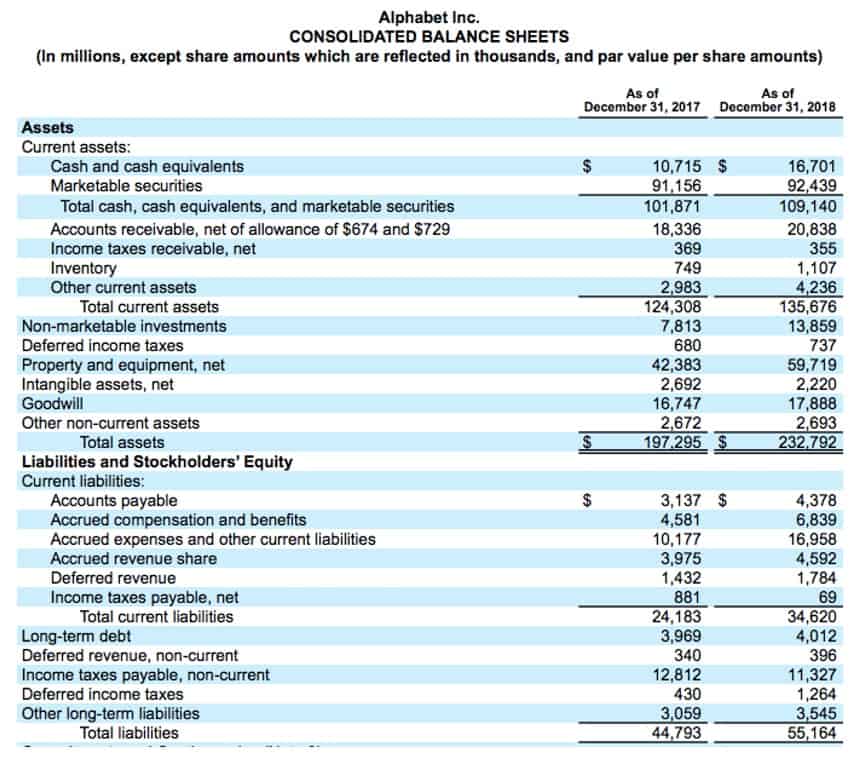
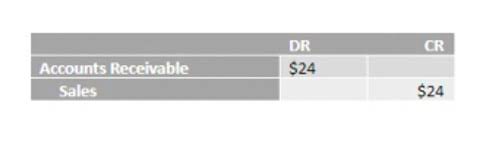
The two-part CMA exam will test your knowledge of financial planning, performance, and analytics, as well as strategic financial management. Managerial accounting is mostly about giving organisations the financial data and research they need to make decisions. If you can add, subtract, multiply, and divide, you have all the math skills needed for this course. In the financial statements, we are reporting things that have already happened. Accounts receivable (AR) is the money owed to a company for a product or service bought on credit.
Is CMA Certification Worth It?
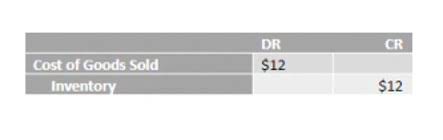
In this course, you will learn how to use accounting to facilitate and align decisions made by owners, managers, and employees. Cost estimates of products already existing in a company’s portfolio, operational budgets, profit and loss reports, and budgets managerial accounting for upcoming product lines are a few examples of reports published by management accounting. Adherence to established accounting standards and regulations, such as Generally Accepted Accounting Principles (GAAP) or International Financial Reporting Standards (IFRS), ensures the reliability and accuracy of performance data. These frameworks provide guidance on recording and reporting financial transactions, ensuring consistency and comparability across reporting periods. This is particularly important for publicly traded companies, which must comply with regulatory requirements set by entities like the Securities and Exchange Commission (SEC). Accounting is the system of recording and keeping track of financial transactions in a business and summarizing this information in reports.
A Guide to Management Accounting for Businesses
In other words, management accounting involves more specialized analysis than financial accounting does. Business owners and managers use it to help make important business decisions, such as whether to invest in various assets, buy or sell a business, start a new operation or spin off a new line of products. Managerial accounting is essential for companies as it enables them to convert hard data regarding finances into information that they can analyze and use to make better decisions. After all, in organizations, financial accounting is useless unless the management team uses the insights provided by managerial accounting to perform crucial organizational functions like planning and controlling. Decision-making models in managerial accounting serve as structured frameworks that guide managers in evaluating complex business choices.
#2 – Constraint Analysis
- Business owners and managers use it to help make important business decisions, such as whether to invest in various assets, buy or sell a business, start a new operation or spin off a new line of products.
- Cash flow analysis lets organizations make informed financial decisions and maintain sufficiently liquid assets in the short term.
- The ICMA also has a number of Recognised Provider Institutions (RPIs) that run the CMA program in Australia and overseas.
- The Generally Accepted Accounting Principles (GAAP) set by the Securities Exchange Commission (SEC) and standards set by the Financial Accounting Standards Board( FASB) are the primary regulatory standards in the US.
- Of course, managerial accounting is used to make operations and decisions more efficient in areas like budgets, controlling costs, and planning strategically.
- Some management accounting programs, including SNHU’s graduate certificate, align with the topics explored in the CMA exam, meaning you can feel better prepared to take the two-part CMA exam once you’ve met all the requirements.
This book adopts a concise, jargon-free, and easy-to-understand approach that is ready with concise sections and concepts when the student is ready to study in a format the student wants. Key concepts are provided in short segments with bullet points and step-by-step instructions to simplify concepts. This thoughtful, step-wise approach will help your students avoid distractions and focuses attention on the big picture. Managerial Accounting students can be discouraged by the tendency of their textbook to be overly laden with jargon and numeric calculations. While the book does provide the required terminology and numeric examples, it is much more readable than a typical textbook in the field.